



Updated November 2026
The 2015 EventTrack survey found that 65% of consumers bought what was promoted at an event, and 74% came away with a better opinion of the organiser. A 2026 four-country study adds that 80% of attendees think the atmosphere of a live event can only be lived in person. All of it is reported behaviour, and none of it isolates the effect of a character.
The question behind a show with a star
People who book entertainers, run fairground attractions or plan a children's party know the scene: a crowd gathers around the character before anyone has explained what is on offer. The studies below try to put numbers on parts of that scene. They look at what visitors say they bought, what they remember, what they look at and whether a photograph with people in it makes strangers want to come. They do not measure applause.

What visitors told the 2015 survey about trying and seeing
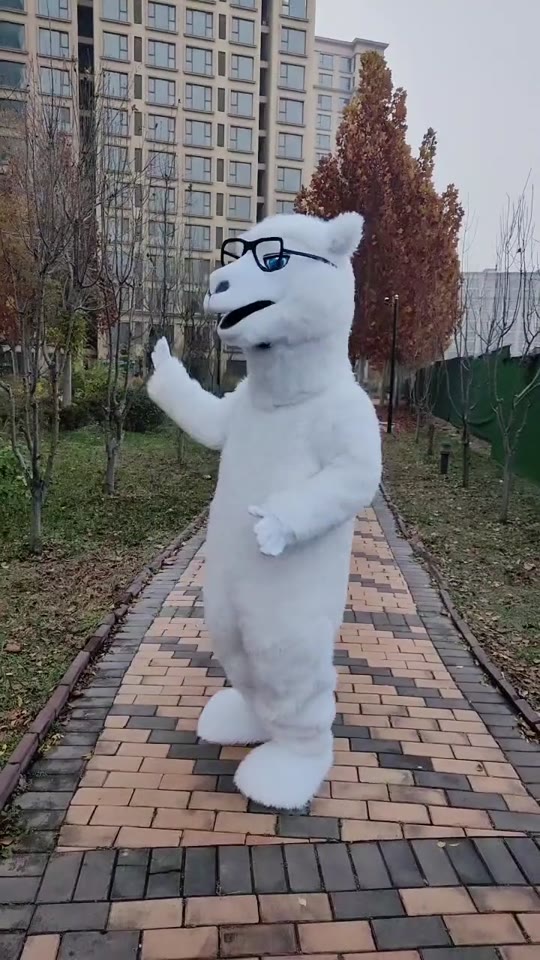
The 2015 EventTrack consumer survey from the Event Marketing Institute and Mosaic asked people who had attended branded events why they bought. Among those who purchased on site, 80% said they had sampled the product or watched a demonstration and liked it, and 57% said they understood the product better afterwards. Asked what had made them more inclined to buy, 78% pointed to the chance to try it and 50% to the fact that the company had believed enough in the product to let them check it out.
The report adds that 65% of respondents had bought at the event or during the visit, and that 87% said live events explain products better than television commercials. A reader looking for a lesson for shows will find one here: demonstration came before persuasion, and a character that performs something is a form of demonstration.
Atmosphere and memory in the 2026 four-country study
More recently, AEG's The Live Effect questioned 12,098 adults in the United States, United Kingdom, France and Germany. As Stadia World reports, 2026, 80% of attendees said a live atmosphere can only be experienced in person, 78% said they left with lasting memories, and 58% found sponsorships at live events easier to notice than advertising elsewhere. A show's crowd is part of what is being measured, and that crowd is also the audience for whoever shares the stage.
Two cautions apply. AEG sells sponsorships, so it benefits from findings like these. And the pooled percentages do not separate a concert from a children's entertainer.

Which mascots hold the eye, according to an eye-tracking experiment
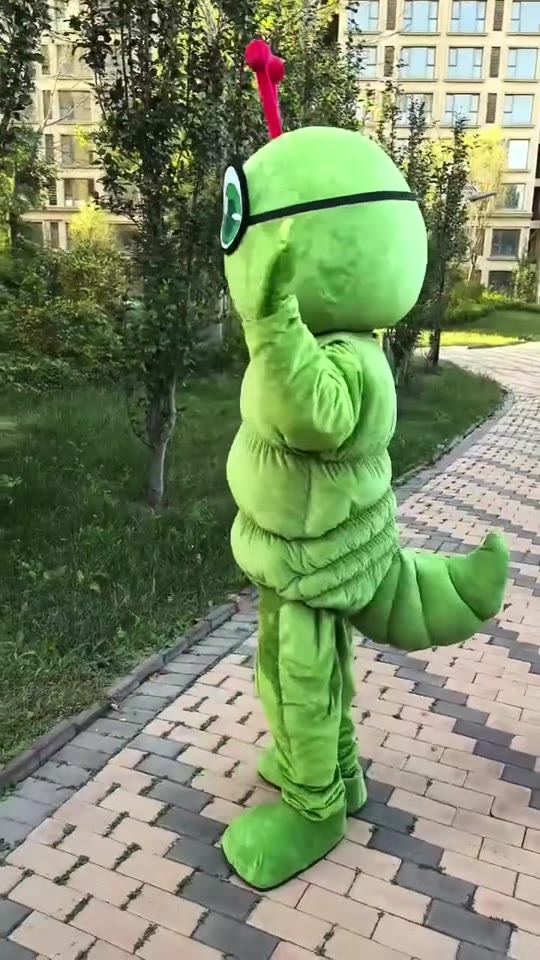
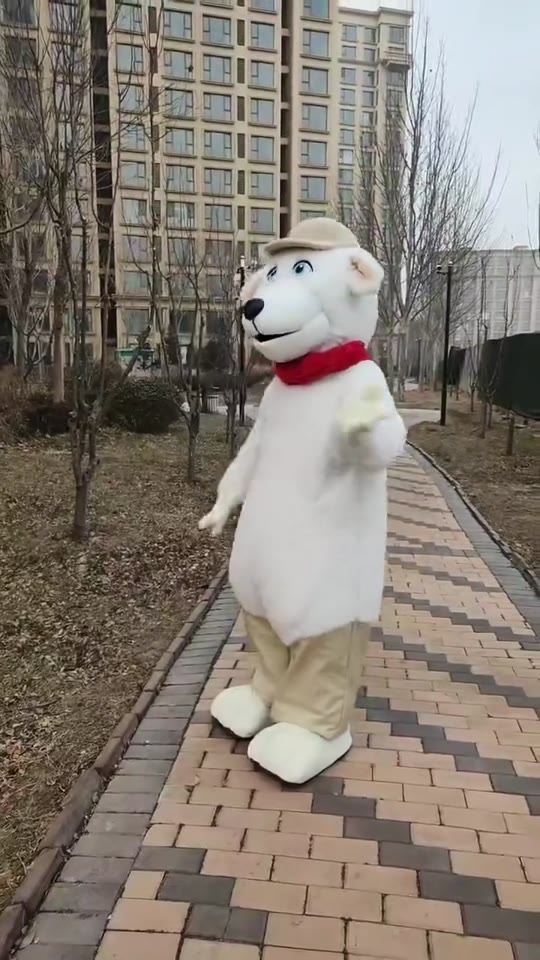
For the character itself, the most concrete evidence is an eye-tracking study in Frontiers in Psychology, 2026. Its 290 young adults viewed sets of mascots that differed in type, head-to-body ratio and eye size. Animal mascots drew the longest fixations and the highest preference ratings, ahead of robots and humans. A head-to-body ratio of 1:2 and large eyes also scored highest on both measures.
The authors read this through the idea of baby-like, face-like features, and they are careful about what was not measured. Fixation time does not tell us about emotional response, recall or purchase, and the participants were young adults recruited in a university setting and shown still images, not a crowd at an event.
Photographs of crowds make other people want to come
Shows now travel through photographs shared by visitors. In three experiments published in 2026, stadium photographs that included people generated stronger intentions to watch live than photographs without people. The mechanism was mental simulation: viewers imagined themselves in the scene, and the effect was larger where the context was about social interaction and shared emotion than where it was about the competition. None of the experiments tested mascots, so any link to a costumed character is our inference.
Limits and method
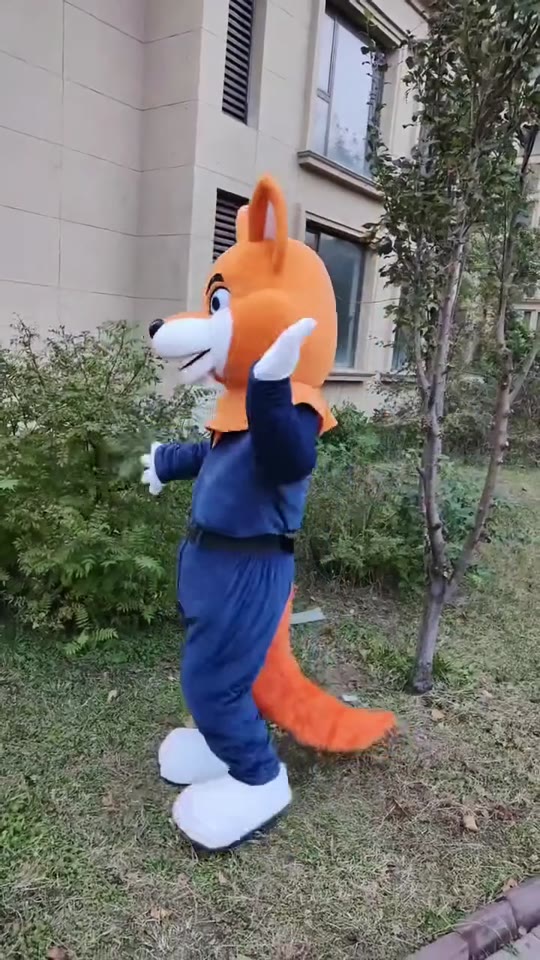
The 2015 data come from consumers who had already attended events and who answered an email survey, so they describe people who liked such occasions. The 2026 data were published by a company that sells sponsorships. The Scientific Reports paper of 2025 is the only one built around mascots at events. It combines 33,516 online reviews with a survey of 400 people and links a mascot's anthropomorphism, intimacy, uniqueness and consistency to better attitudes towards the event. Its authors warn that cultural preferences, age and sponsor relevance may confound the results.
Preferences also shift over time: the EventTrack 2021 report recorded 78% of consumers preferring live in-person experiences to digital ones, down from 88% the year before. No study here proves that a character raises ticket sales, tips or bookings. Percentages such as 85% or 98% of consumers more likely to buy after an event appear online without a traceable source, and we leave them aside.
What this changes for an entertainer, a venue or a party organiser choosing a character
If the aim is a recognisable star, the evidence supports a few design decisions and no promises about turnout.
- A friendly animal with large eyes and a compact body suits the attention findings, within the narrow conditions of that experiment.
- Give the character something to do in front of the crowd, a small demonstration, so that watching and trying come together.
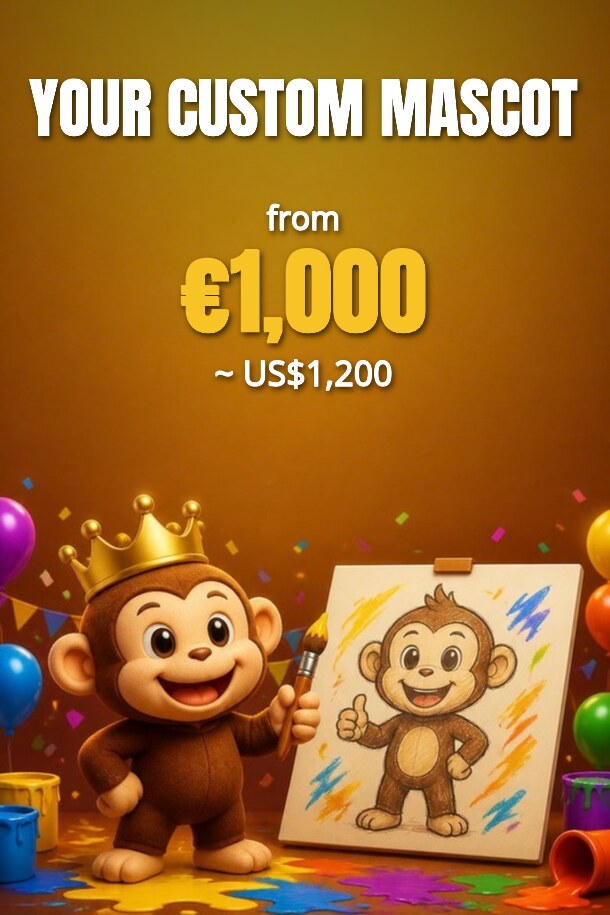
- Build the costume from the product page: choose colours, logo and text, then approve a drawing before manufacture.
- Leave room for photographs, since the photographs with people in them were the ones that raised the intention to attend.
Sources
- EventTrack consumer survey (Event Marketing Institute and Mosaic), 2015
- Stadia World on AEG The Live Effect, 2026
- Frontiers in Psychology, mascot design and eye-tracking, 2026
- Frontiers in Psychology, people in sports photos and spectating intention, 2026
- Scientific Reports, mascot attractiveness and event attitudes, 2025
- EventTrack 2021 consumer and brand survey (Event Marketer), 2021
Frequently asked questions
Does a character make a crowd gather?
No study we read measures that. An eye-tracking experiment shows which mascot designs hold attention on screen, which is a narrower question.
Which mascot shape held attention longest?
In a 2026 experiment with 290 young adults, animal mascots, a 1:2 head-to-body ratio and large eyes scored highest, using still images.
Do photographs with people really matter?
In three 2026 experiments, stadium photographs with people produced stronger intentions to watch live than photographs without. Mascots were not tested.
Do live shows beat television at explaining a product?
In 2015, 87% of surveyed consumers said live events explain products better than television commercials. That is an opinion, not a test.
Can you promise more bookings with a character?
No. The studies measure attitudes, attention and intentions, not bookings.
Read also
- Screens, streets and live crowds: where advertising money moved in 2025
- The street as a stage: 2025 out-of-home figures for shows, fairs and crowd animation
- Crowds, shows and a character in costume: what studies of surprise advertising can tell an entertainer
- The headline character: what studies of children, cereal boxes and crowds offer show organisers
- Making a star of a costume: what the Duolingo owl shows about crowds and live characters
- Shows, crowds and a star character: the research behind live brand moments
- Crowds, shows and a star character: which numbers you can trust