



Updated November 2026
A crowd that laughs and photographs your character proves a good moment. It does not prove a percentage. Treat any figure about recall from live animation as unproven until you can open the study behind it.
A good show produces stories, and stories attract numbers
Anyone who has watched a character walk into a crowded square knows the scene: children run, adults reach for phones, and an hour later the promoter wants a headline figure. Websites oblige with tidy percentages about how many people remember a live stunt. We looked for the studies behind such lines and could not tie the commonly repeated ones to an identifiable source, so we do not repeat them.
What we can do is lay out what we did read, and what it supports.

What people say about surprise
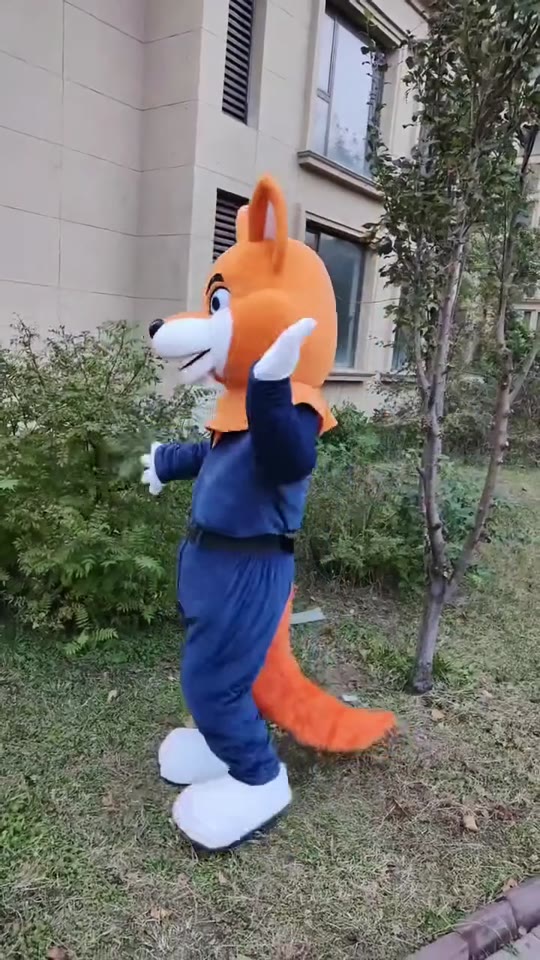
The best match to live character work is the University of Malta thesis by Catia da Costa, 2014. It rests on fifteen in-depth interviews. Participants described guerrilla advertisements as different and surprising, said they aroused curiosity, and in many cases reported a better opinion of the brand. The abstract is just as clear on the other side: such ads do not necessarily lead people to buy. Fifteen people cannot give a rate, and the thesis does not try.
Who is a witness
Anyone surveying a crowd after a show should know that Advertising Research Foundation, 2016 reports, from a 2016 journal issue, that people who already use a brand remember its advertising better, across six awareness measures. Ask the fans and you will hear that everyone remembers. Ask passers-by who had never heard of the brand and the picture changes.
Feeling first, memory later
Live entertainment mostly works on mood. Heath and Nairn, 2005 examined advertising of that kind and argued that it is processed with little conscious attention, which makes it look weak on recall tests. Using a recognition-based comparison, they reported that claimed awareness seriously underestimates its effectiveness. For a promoter, the lesson is about the yardstick: a recall question after the parade may undercount an effect, while a sales count may be unrelated to it.
Compare that with the invidis report on Nielsen results, 2012, which gives 92% as the share trusting recommendations from people they know. The sample is not described in the article. The number points at word of mouth, which is where a charismatic character does its work after the show ends, but it is not a measure of any show.

Screens and live performers share the same budgets
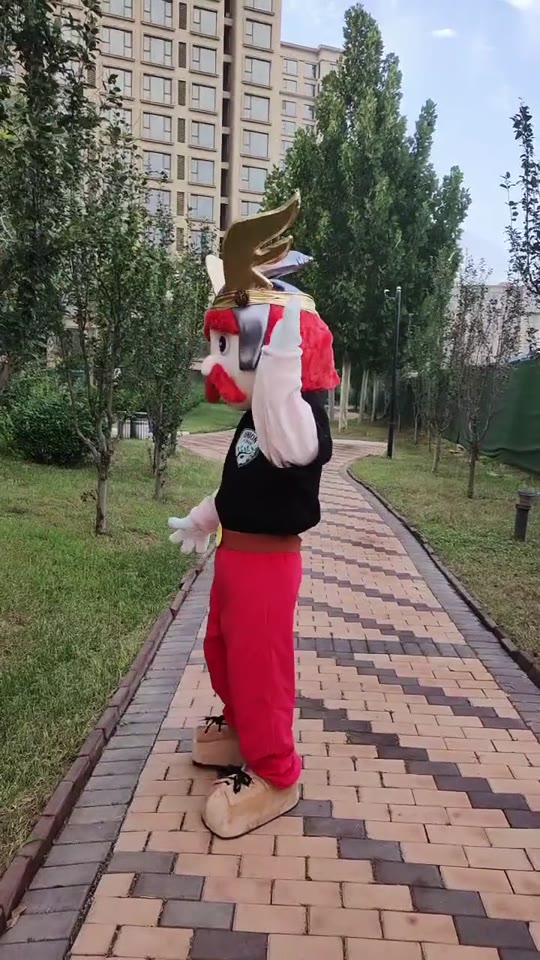
The World Out of Home Organization, 2026 counts digital formats at $25.5bn in 2025, or 47% of out-of-home revenue, with a 2026 forecast of $28bn. Live events sit outside that table. The figure is useful for one thing: it tells a promoter that the audience in a public place is already being sold to by screens, and that a costumed performer is a different kind of presence. It says nothing about which works better.
Limits and method
We opened each page cited here. We read only abstracts for the paywalled paper, and only summaries for the Advertising Research Foundation post. The invidis article gives no sample. The Ipsos-ASI page on copy testing is a vendor defending its own recall measure; it admits that recall alone does not directly predict sales, which is the useful part.
A promoter can still collect evidence of its own. Count the people in the photo queue at fixed times, note how many return for a second appearance, and keep the press cuttings and social posts with their dates. These are small, honest records. They describe what happened at your events, and no outside figure can replace them. When you present them, say how they were collected and over what period, in the same way a published study would.
- No source here studies a mascot or costumed performer.
- None shows an effect on sales.
- Recall, liking and buying are different things.
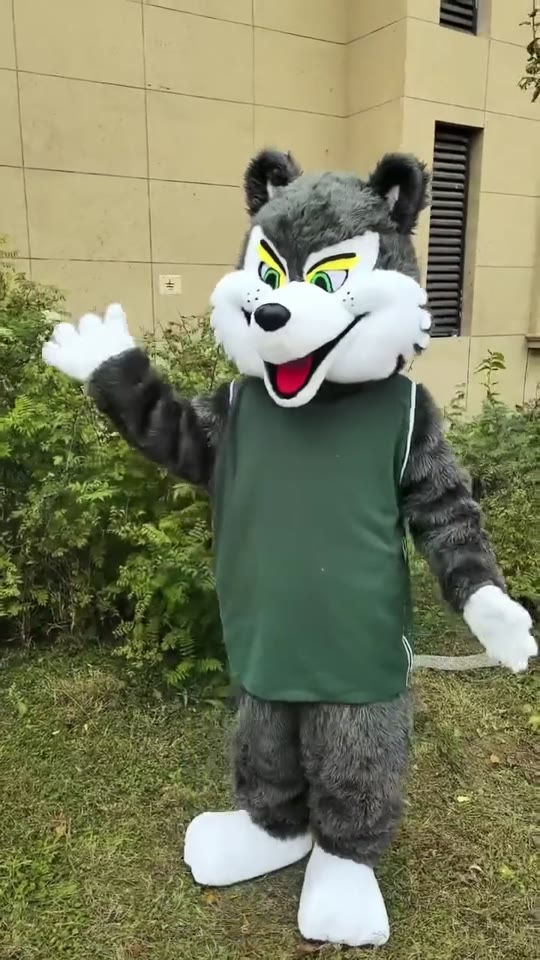
What this means for a promoter who wants a star character
Take the two sources that look most flattering and ask what they would have to show to justify a headline. The Nielsen-based 92% figure would need a sample, countries and a question wording. The Malta interviews would need to be repeated with a few hundred people and a measure of purchase. Until then, neither supports a statement such as 'this character makes people buy', and neither is worse for failing to support it.
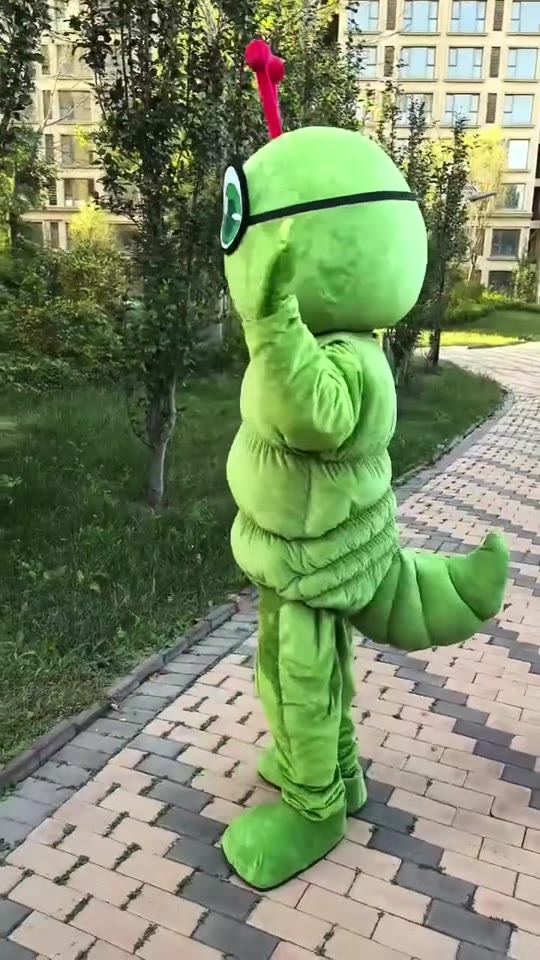
Design the character for a crowd: a silhouette that reads from thirty metres, colours that survive stage lighting, a costume that a performer can wear through several appearances. We make it to your brief, with your colours and logo, in the proportions of a show rather than a catalogue.
Judge success on what you can observe: the length of the photo queue, the number of repeat bookings, the mentions in local press. Write those down for each event, and we will not offer a promise that a number cannot support.
Sources
- University of Malta, da Costa thesis, 2014
- Advertising Research Foundation, JAR recall issue summary, 2016
- Heath and Nairn, Journal of Advertising Research, 2005
- invidis, Nielsen trust results, 2012
- World Out of Home Organization, expenditure report, 2026
- Ipsos-ASI, copy testing and recall, 2010
Frequently asked questions
Why not quote the recall percentages seen online?
We could not tie them to an identifiable study, so we do not publish them.
Does a crowd's reaction prove the character works?
It proves an enjoyable moment. Memory and purchase need separate measures.
What is the weakness of a post-show survey?
People who already know the brand remember advertising better, which inflates results.
Can a character be measured at all?
Yes, through counts you control: queue length, repeat bookings, press mentions.
Do screens and live performers compete?
The spending report counts screens, not live acts, so it cannot answer that.
Read also
- Screens, streets and live crowds: where advertising money moved in 2025
- The street as a stage: 2025 out-of-home figures for shows, fairs and crowd animation
- Shows, crowds and a star character: what the studies measured
- Crowds, shows and a character in costume: what studies of surprise advertising can tell an entertainer
- The headline character: what studies of children, cereal boxes and crowds offer show organisers
- Making a star of a costume: what the Duolingo owl shows about crowds and live characters
- Shows, crowds and a star character: the research behind live brand moments