



Updated November 2026
When people take part in something live, they remember it, talk about it and say they are more likely to buy. Set Creative's 2019 test and Spiro's 2025 survey both show the pattern, with the caveat that the numbers record opinions and come from event specialists.
The difference between watching and taking part
Anyone who has worked a parade, a birthday party or a show floor knows the feeling when a crowd turns from spectators into participants. The question for this review is whether that feeling shows up in numbers. We opened the published sources and looked for measurements of participation, recall and sharing, rather than for slogans.
The most direct evidence comes from an experiment that compared four ways of meeting a brand.
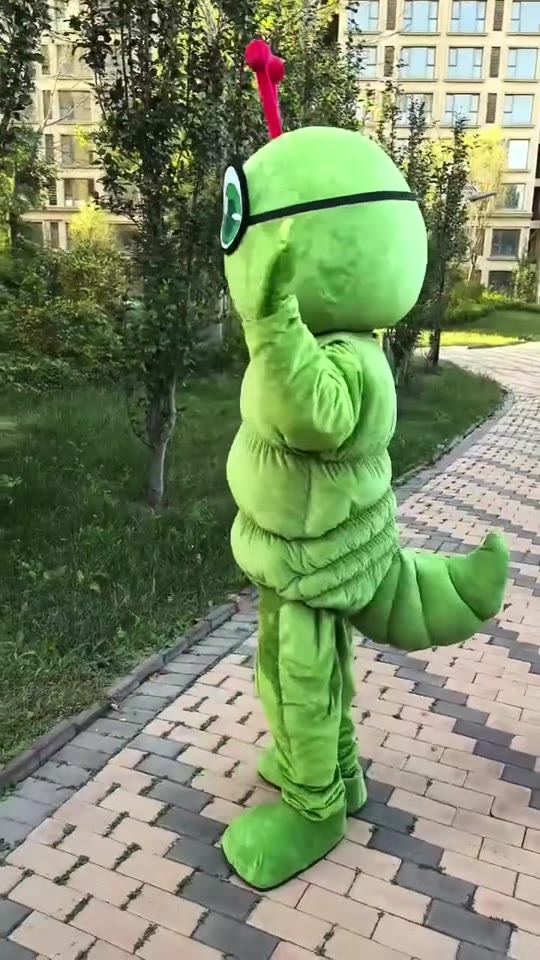
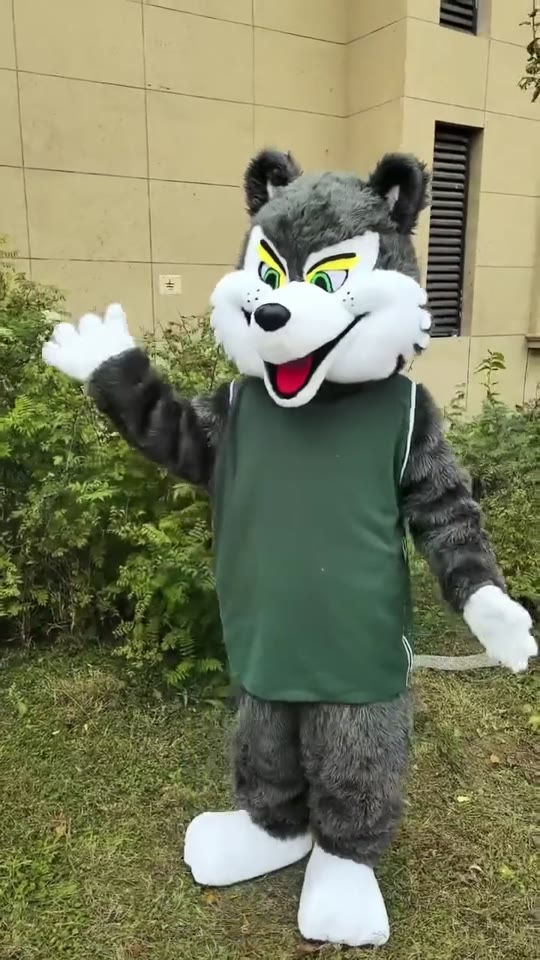
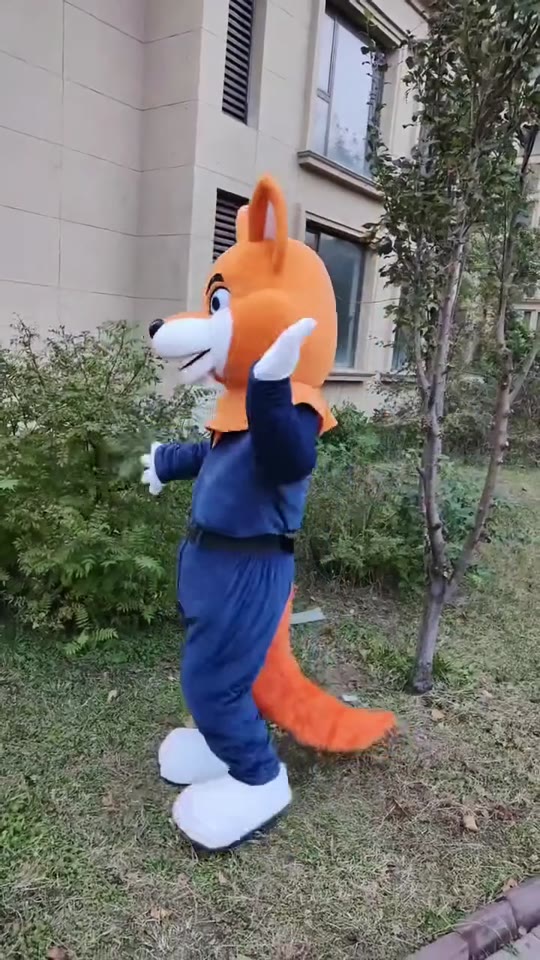
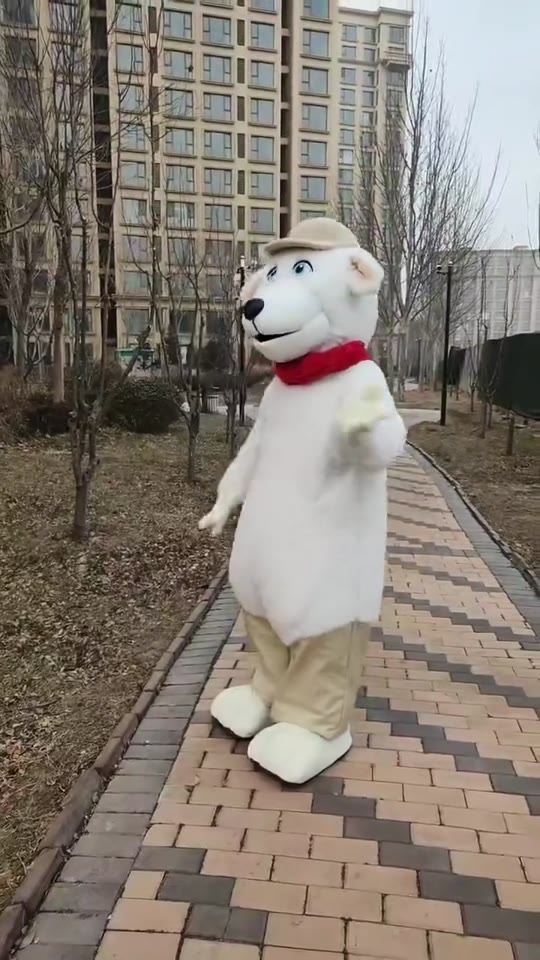
In show business terms, the mascot is the headline act that needs no translation. Children, parents and passers-by can read a face and a gesture across a noisy room, and that is why the format is common at fairs, birthdays and street events.
A four-way comparison with a made-up drink
For its report The Value of Experience, the agency Set Creative invented an orange drink called Sevillian and let different groups meet it in different ways. According to the Conference News summary, 2019, 300 British consumers read about it, listened to a description, watched a video or took part in a live demonstration of making a mocktail.
Those in the live group reported feeling entertained (66%), engaged (54%) and satisfied (37%), and these scores were significantly higher than in the other groups. They also said they would pass the word on: 55% were likely to share, compared with 16% of readers, 13% of listeners and 12% of video viewers. Recommending followed the same shape.
The VMSD coverage, 2019 confirms the wider survey behind the experiment, a nationally representative sample of over 1,000 United States and United Kingdom consumers, in which 73% said they were more likely to buy a brand after taking part in a brand experience, and 82% wanted brands to entertain, engage and educate. Neither article states the number in each experimental group.
The word participation can hide a range of behaviours, and the experiment is specific about which ones it tested. Participants did not simply watch an act; they took part in making a mocktail under the guidance of a presenter. A parade or a stage show gives audiences different roles, such as clapping, following or joining a dance, and the research does not tell us which of those produces the same effects. Show producers will recognise that gap and fill it with their own experience.
Recall, and what an interactive set-up adds
The Spiro report from September 2025 asked more than 2,000 United States attendees of technology and consumer goods events about their experience. Interactive or immersive formats produced 2.2 times higher brand recall than passive set-ups. A character who moves through a crowd, hugs children and poses for pictures is an interactive format by almost any definition, though the report does not study mascots specifically.
The same survey found that people who called their experience memorable, valuable and trustworthy were nearly three times more likely to buy than people with neutral impressions.
The report also lists funnel results for technology attendees. Among those with no earlier contact with the brand, 91% said they would now consider it, and 82% said the event helped confirm or speed up a purchase decision. Those are the stated feelings of people who chose to attend a tech event, and the report does not cover entertainment shows or children's events.
What a field study adds about entertainment
It would be easy to conclude that more spectacle always means more sales. A 2021 article in the Journal of Advertising is less simple. In two field studies, one at an aquarium experience with 340 participants and one at a retailer's fashion show with 396, the authors found that before an event only expected quality, not expected entertainment, raised purchase intention. After the event, the entertainment people actually enjoyed mattered more to international tourists than to locals.
For a show producer, the practical reading is that crowd delight is not enough on its own, and that who is in the crowd changes what works.
The two-study design is what makes the article useful. The aquarium sample came from a tourist destination and the fashion show from a retail sponsor, so the authors could test whether the pattern held in different settings. It held in part, and the exceptions are the interesting result.
Limits and method
The Sevillian test used an invented product and a short exposure, so it says little about a brand that people already know. Stated intention is not behaviour, agency-commissioned studies favour the format they sell, and attendees are self-selected. The widely quoted claim that 85% of people are more likely to buy after an event was not traceable to a primary report, and we leave it out.
What this changes for an animation, a party or a star character
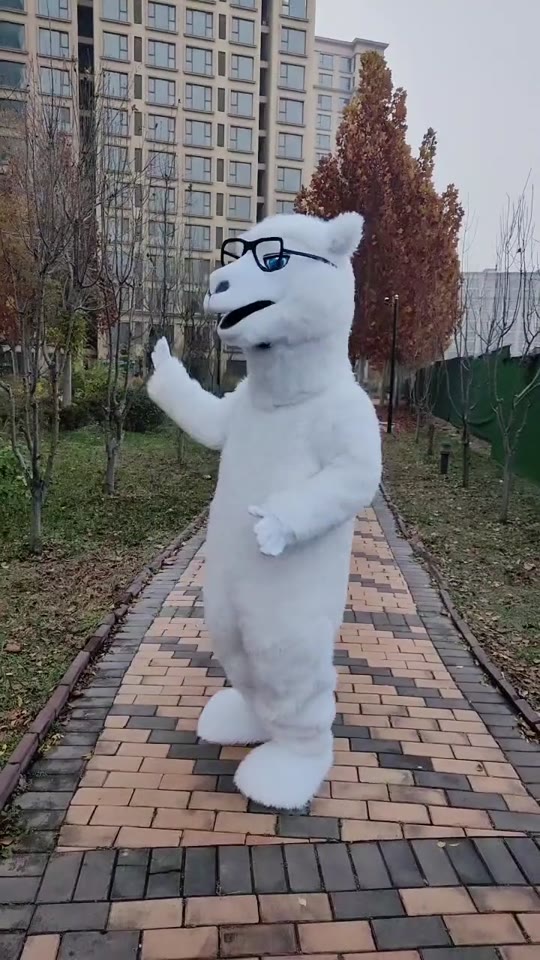
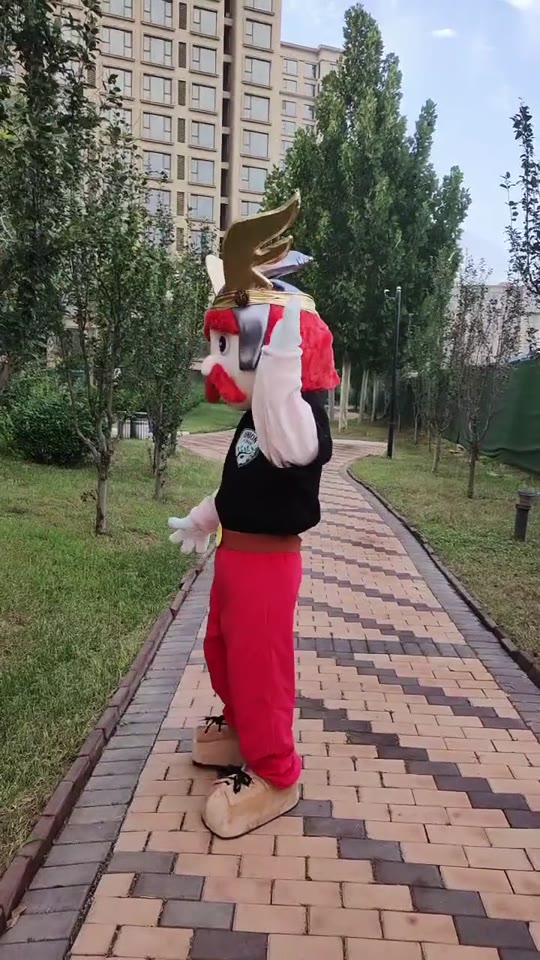
Treat the mascot as the lead performer of a live moment.
- Give it a role. A character who does something, such as leading a dance, handing out balloons or guiding a trail, produces more participation than one who stands on a stage.
- Plan for sharing. Place a photo spot where the crowd gathers, since sharing was the measure where live participation differed most.
- Keep the costume comfortable and the act short, so the performer can stay lively across a long event.
These studies support the idea that participation is remembered and discussed. They do not promise a particular sales outcome, and an animation should be judged on the atmosphere it creates in the room.
For a lead character, it also helps to plan the entrance. A first appearance that the crowd can see coming, such as a drum roll or a countdown, gives people time to take out a phone, and the sharing figures above suggest that this matters.
Sources
- Conference News, Set Creative The Value of Experience, 2019
- VMSD, Set Creative survey, 2019
- Spiro, Experiential Marketing Impact Report, 2025
- Wang, Scheinbaum, Li and Krishen, Journal of Advertising, 2021
Frequently asked questions
Do live shows make people share a brand more?
In the Set Creative test of 300 British consumers, 55% of the live demonstration group were likely to share, against 16% for reading, 13% for listening and 12% for video.
Does interaction improve recall?
Spiro's 2025 survey of over 2,000 US attendees reports 2.2 times higher brand recall for interactive or immersive set-ups than for passive ones.
Is more spectacle always better?
The 2021 field studies suggest not: before the event, expected quality raised purchase intention while expected entertainment did not.
Do these studies cover mascots?
No. They cover live demonstrations, aquarium visits, fashion shows and trade events.
Why is there no 85% figure?
It could not be traced to a primary report.
Read also
- Screens, streets and live crowds: where advertising money moved in 2025
- The street as a stage: 2025 out-of-home figures for shows, fairs and crowd animation
- Shows, crowds and a star character: what the studies measured
- Crowds, shows and a character in costume: what studies of surprise advertising can tell an entertainer
- The headline character: what studies of children, cereal boxes and crowds offer show organisers
- Making a star of a costume: what the Duolingo owl shows about crowds and live characters
- Crowds, shows and a star character: which numbers you can trust