



Updated November 2026
Studies of animated characters agree on one point: people respond to a character they like, trust or feel close to. They differ on how far that goes, and the evidence for live shows is indirect.
A character people want to see
A show lives or dies on whether the audience wants to look at the star. Entertainers know it without a study. The research we found does not test a live parade, but it does test the ingredients of a headline character: liking, trust, closeness and recognition. We opened each paper and report only what its page says.
Fewer numbers appear here than elsewhere. That is deliberate. Most of the available work is small, and the few big figures come from surveys about something other than shows.
Children and the character they like
Karachi, nine schools
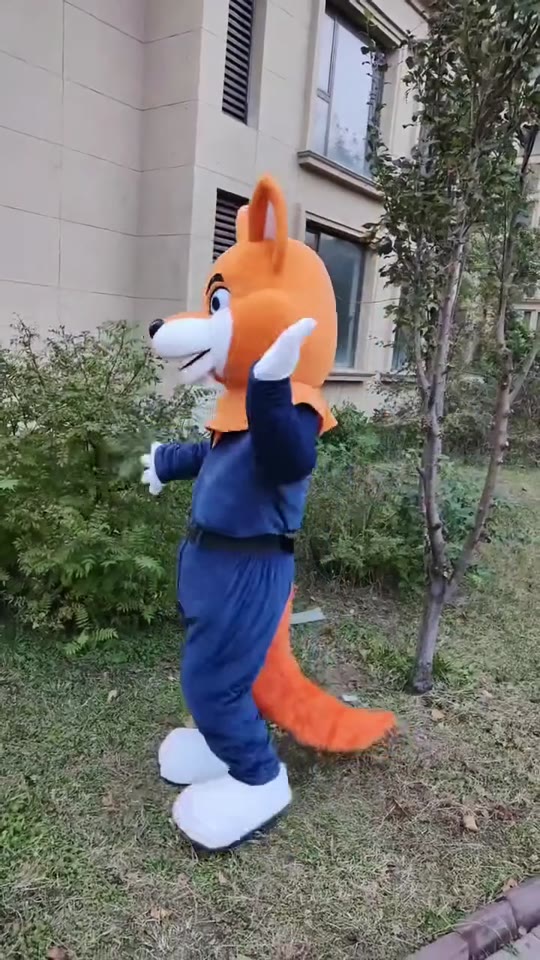
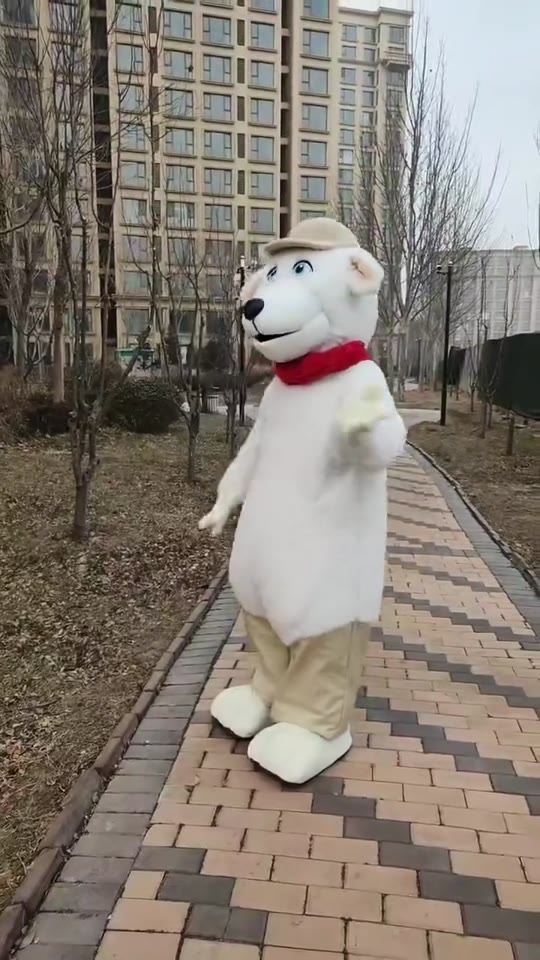
Shuja, Ali, Anjum and Rahim, in a 2016 working paper, studied pre-primary pupils in nine schools in different parts of Karachi and analysed the answers with a classification and regression tree. Their reported finding is that liking an animated spokes character significantly affects recognition of the product and the character, the link between product and character, and brand preference.
What this suggests for animation
The chain is simple: liking first, recognition and association after. For a children's party or a school fete, it supports the idea that a character should be easy to read from a distance and pleasant at close range. It does not show that recognition turns into any purchase, and the sample is very young.
The cereal box and the three animals
Harun and colleagues, in the International Journal of INTI in 2020, analysed three cereal characters, Koko Krunch, Honey Star and Cookie Crisp, by qualitative content analysis. All three are animal-based characters that are not native to Malaysia, yet they still attract attention. The authors conclude that source credibility factors, namely attractiveness, trustworthiness and similarity, are central to capturing attention and encouraging purchase.
This is a reading by two raters, not an audience test. Its use is as a checklist: does the character look appealing, does it seem trustworthy, does it resemble the people it addresses?
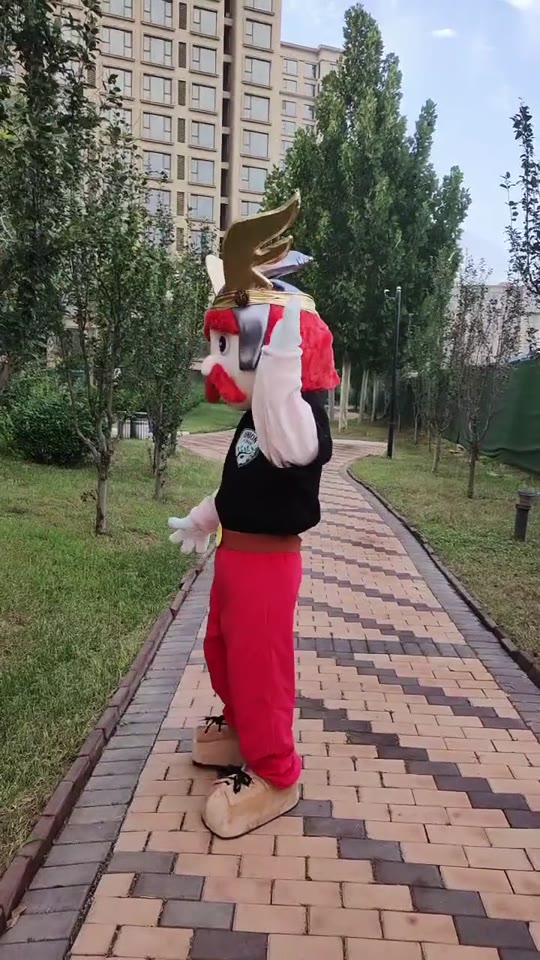
Crowds, stadiums and first encounters
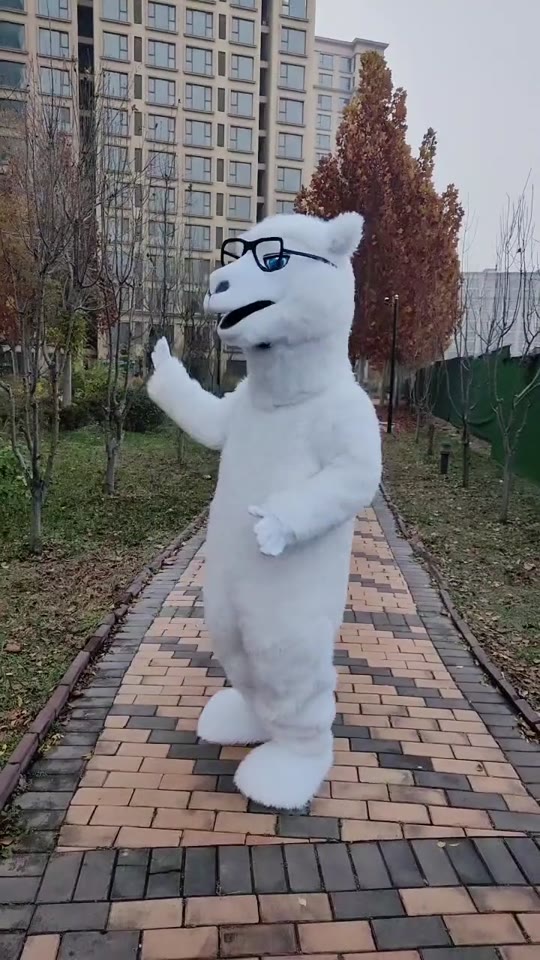
In sport, Ko and colleagues (2022) showed 239 potential fans a team promoted either by a logo or by a mascot, against a cool or warm background. The mascot increased closeness and the intention to consume media. Schultz and Sheffer (2017) surveyed 3,616 students and found mascot loyalty strongly tied to identification with the university's sporting family.
Together they describe a character as a rallying point, with the caveat that the second paper concerns a mascot already at the centre of a controversy.
Where the evidence is weak
A Taiwanese thesis, Liao (2024), used a fictional fragrance brand and found no significant standalone effect of a mascot's anthropomorphism or sexiness on attitude, relationship or trust. Turkish researchers Deligöz and Ünal (2021) found a positive effect on purchase intention in an experimental survey, without a sample figure on the page we read.
The widely repeated Elmo sticker experiment is a special case. Its original age description and sample count were wrong, as BuzzFeed News reported in 2017, and the journal published a retraction and replacement notice. We do not use it to show that characters influence children.
Nothing here measures applause, queue lengths or photo requests. No study gives a number for a live crowd.
Consequences for a show, a party or a parade
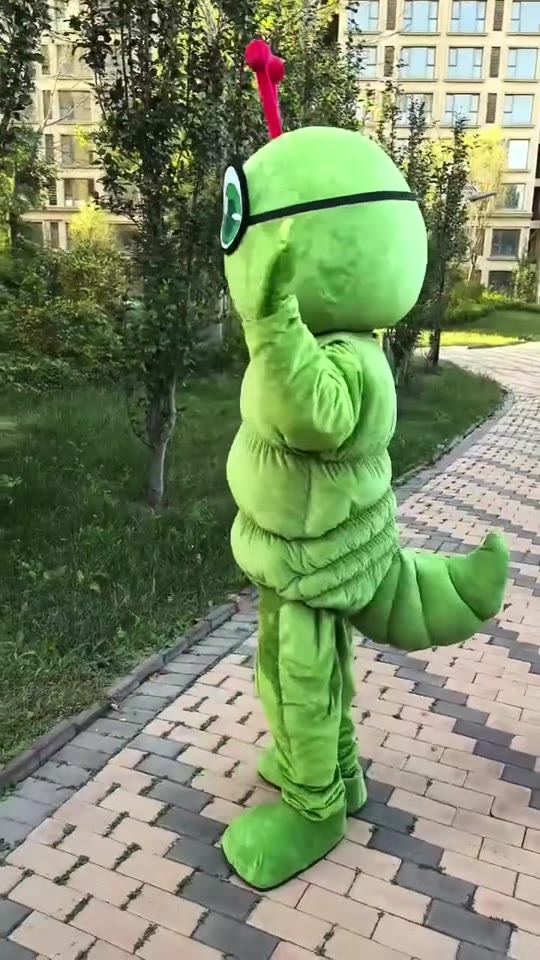
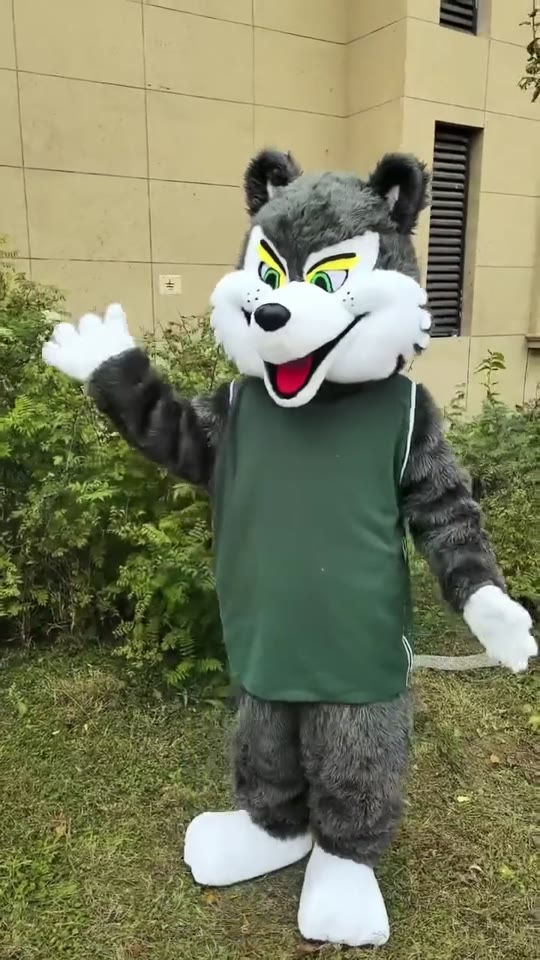
Treat the research as a design brief. Aim for a face that reads at distance, a silhouette that stays recognisable in motion, and a costume that lets the performer move, see and breathe for the length of a set. Give the character a name and a short story so the audience can say who it is.
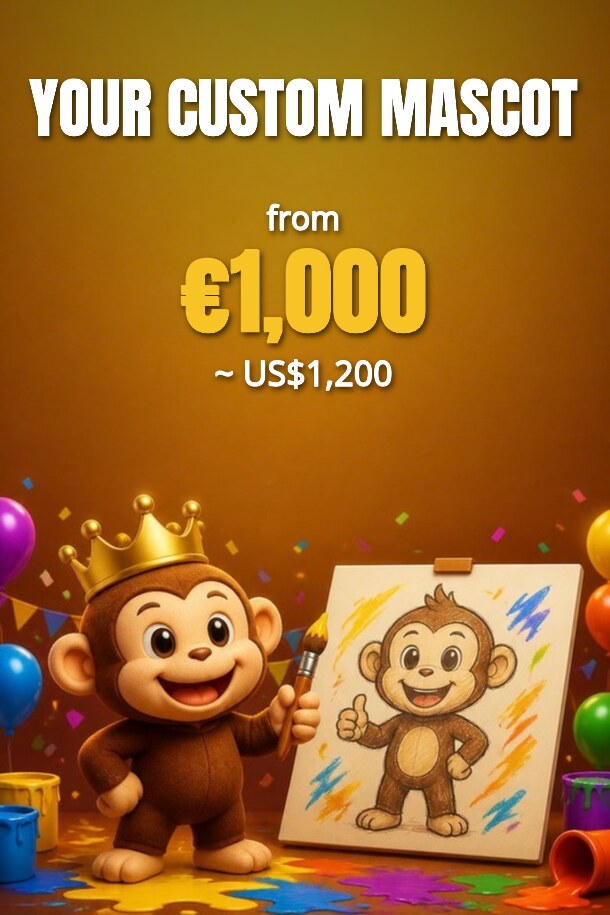
For repeated appearances, keep the look consistent and plan repairs between events. Biggymonkey builds custom characters from the client's drawing, with the option to match a venue's colours or a show's title. Then watch simple signals yourself: how many people approach the character, how many photographs are taken, how long the line lasts.
Rehearsal and rhythm
The papers say nothing about choreography, yet a performer inside a costume decides how a character is received. Short sets with breaks protect the performer, and a few simple gestures, a wave, a bow, a pointing arm, give the audience something to answer. A second person who walks beside the character, watches the crowd and helps with steps and stairs improves safety and lets the performer concentrate on the role. Children in particular respond to a character that crouches to their height and keeps a respectful distance at first. These are practical habits of the trade, offered as such, and they do not come from the studies.
Sources
- Shuja et al., MPRA working paper, 2016
- Harun et al., International Journal of INTI, 2020
- Ko et al., Sport Management Review, 2022
- Schultz and Sheffer, Sport in Society, 2017
- Liao, National Chengchi University thesis, 2024
- Deligöz and Ünal, Sosyoekonomi, 2021
- BuzzFeed News, 2017
Frequently asked questions
Do children really prefer branded characters?
A small study of pre-primary pupils in Karachi found that liking an animated character was linked to recognition, association and brand preference.
What makes a character credible?
A study of three cereal mascots points to attractiveness, trustworthiness and similarity to the audience.
Is there data on live shows?
We found none. The sport experiments measure closeness and intention, not applause or attendance.
Can a character have no effect?
Yes. A Taiwanese thesis found no significant standalone effect of anthropomorphism or sexiness for a fictional brand.
What can an organiser observe on the day?
Approaches, photographs and the length of the queue around the character, noted for each appearance.
Read also
- Screens, streets and live crowds: where advertising money moved in 2025
- The street as a stage: 2025 out-of-home figures for shows, fairs and crowd animation
- Shows, crowds and a star character: what the studies measured
- Crowds, shows and a character in costume: what studies of surprise advertising can tell an entertainer
- Making a star of a costume: what the Duolingo owl shows about crowds and live characters
- Shows, crowds and a star character: the research behind live brand moments
- Crowds, shows and a star character: which numbers you can trust